Astrophotography for Beginners: What Photographers Should Know
PhotographyAstrophotography for beginners is reshaping how images are made, interpreted and shared. The interesting story is not just a new camera or a passing visual trend: it involves creative decisions, technical limitations and responsibilities toward the people or places photographed. This guid
Astrophotography for beginners is reshaping how images are made, interpreted and shared. The interesting story is not just a new camera or a passing visual trend: it involves creative decisions, technical limitations and responsibilities toward the people or places photographed. This guide explores what matters in practice, what claims deserve skepticism and how photographers can approach the subject more thoughtfully.
A night sky photograph begins before dark
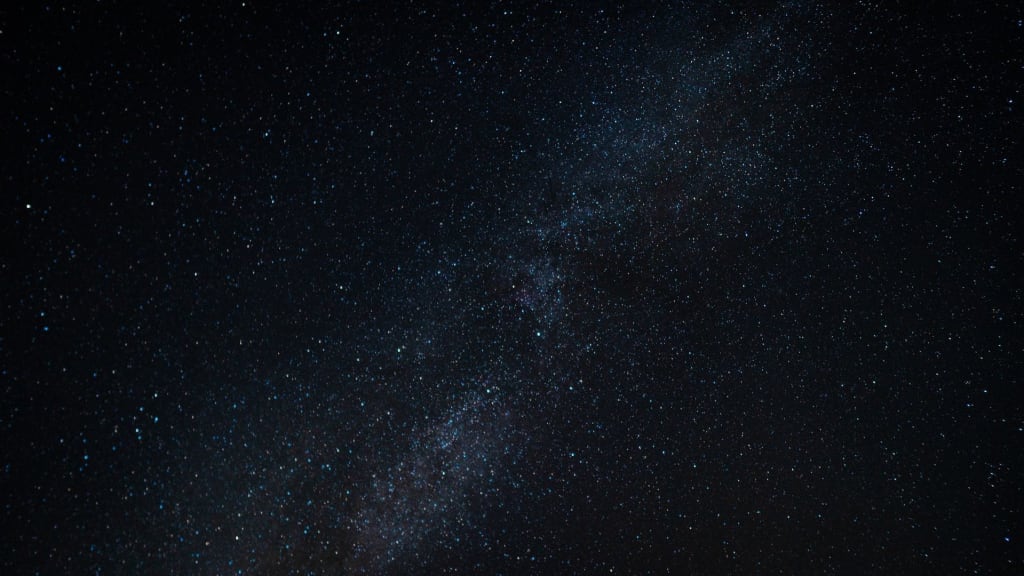
Astrophotography for beginners is partly a planning exercise. A clear sky, low light pollution and a favorable Moon phase often matter more than buying a new camera. The Milky Way’s core is visible only at certain times and latitudes, so check seasonal sky maps before heading out. Scout a safe foreground and know how to return after dark. A bright nearby lamp or strong wind can spoil an otherwise excellent location.
Astrophotography for Beginners: creative and technical context.
Camera settings to try first
Use a sturdy tripod, manual exposure and a wide lens if available. A starting experiment might be a moderately high ISO, a wide aperture and a shutter time measured in seconds, then adjust for the results. Long exposures reveal stars but can turn them into streaks as Earth rotates; the acceptable exposure depends on focal length, sensor and viewing size. Focus manually on a bright star using magnified live view, and use a self-timer to avoid vibration.
Different subjects need different tools
The Milky Way, Moon, star trails and distant nebulae are different projects. The Moon is bright enough to require much shorter exposures than faint night-sky landscapes. Deep-sky nebula photography commonly uses tracking mounts, many exposures and substantial processing. A beginner should not expect a single untracked frame to reproduce a professional telescope image. Build skills in focus, stacking and noise management gradually, one target at a time.
Astrophotography for Beginners: practical questions and trade-offs.
Staying safe and respecting the dark
Bring warm layers, a charged light and a companion when appropriate. Dim lights near other photographers, avoid pointing beams into wildlife habitat and follow access rules. If you stack exposures later, describe the result accurately and avoid implying a composite represents a single moment. Night photography can be rewarding even without a spectacular galaxy frame. A carefully composed constellation over a familiar landscape is a strong start.
Practical takeaways
Good results come from matching the technique to the subject and understanding the trade-offs. These steps offer a useful starting point:
- Check weather, Moon and dark-sky conditions.
- Practice manual focus before traveling far.
- Use a sturdy tripod and conservative exposure.
Frequently asked questions
Do I need a telescope for astrophotography?
No. Wide-field night-sky scenes can be photographed with a camera and tripod.
Why are my stars blurry?
Focus errors, camera shake and overly long exposures are common causes.
Can I shoot a nebula in one frame?
Bright objects may be possible, but detailed deep-sky images usually require tracking and stacking.