Sports Photography at 120 Frames Per Second: A Practical Photography Guide
PhotographyHigh-speed sports photography can reshape what a photograph communicates, not simply the equipment used to make it. For photographers and curious readers, the key is understanding the creative opportunity alongside the limitations, ethical responsibilities and practical costs. The followi
High-speed sports photography can reshape what a photograph communicates, not simply the equipment used to make it. For photographers and curious readers, the key is understanding the creative opportunity alongside the limitations, ethical responsibilities and practical costs. The following guide examines the underlying approach, explains decisions that affect the final image and offers a realistic starting point. Rather than promising perfect results, it focuses on the choices that make a photograph informative, expressive and trustworthy.
What 120 frames per second actually provides
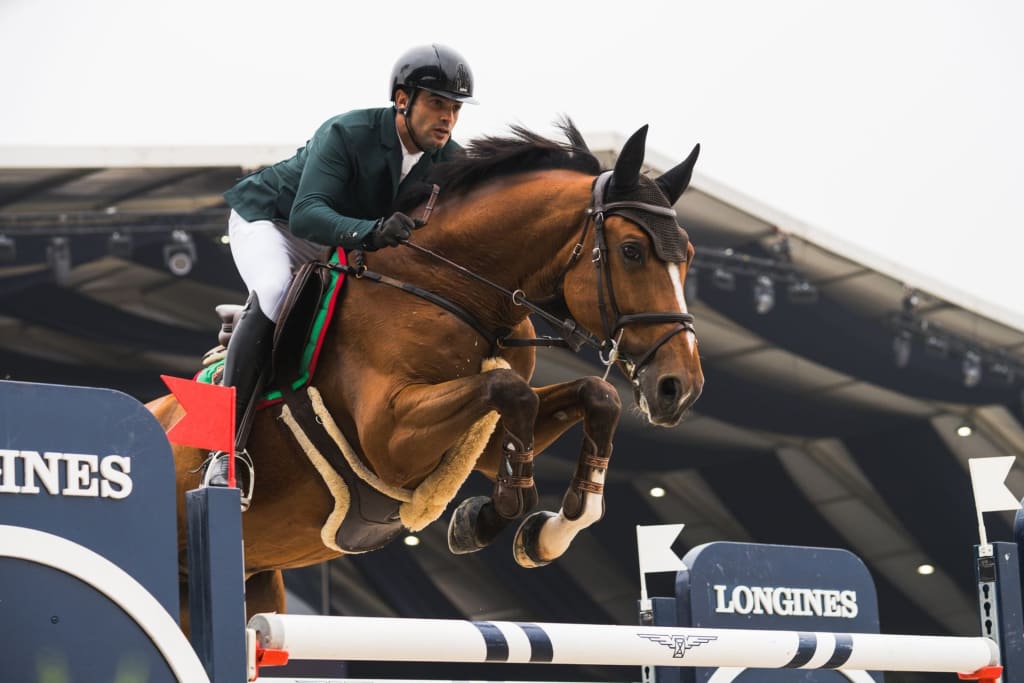
Some advanced cameras can capture bursts at up to 120 frames per second under particular settings, multiplying the chance of recording a fleeting gesture. This is a still-photo burst rate, not the same thing as shooting 120 fps video. Many systems restrict RAW quality, autofocus settings or shooting duration at their fastest rates. The real benefit depends on shutter speed, exposure, focus tracking and buffer capacity.
Sports Photography at 120 Frames Per Second: the creative context and techniques.
The decisive instant remains a choice
Rapid bursts help with a gymnast’s peak extension or a ball leaving a racket, but also create thousands of nearly identical photographs. Anticipating action, knowing the sport and choosing the right camera position still determine whether a frame has meaning. A perfectly sharp image can miss the story if the athlete’s expression, opponent or scoring context is excluded.
Lighting and focus bottlenecks
Indoor arenas challenge sensors with low light and flickering LEDs. Fast shutter speeds freeze motion but demand light, a suitable lens or higher ISO. Electronic shutters may introduce rolling-shutter distortion or banding, especially under artificial lighting. Test anti-flicker and burst modes before the event and understand venue restrictions on flash, movement and credentials.
Sports Photography at 120 Frames Per Second: practical decisions and considerations.
Edit for quality, not quantity
Mark critical moments during playback, then narrow sequences using expression, ball position and unobstructed storytelling. Back up memory cards before aggressive culling and use metadata to associate captions with real events. Ethical sports editing should not rearrange players or alter the result. High frame rate is a useful tool; strong selection is what produces a memorable photograph.
Practical starting points
Photographers improve fastest when they work deliberately, record what changes between attempts and review the results in context. Use this short checklist to make the next session more focused:
- Read full-resolution burst limitations.
- Practice anticipation as well as burst capture.
- Audit captions and never fabricate action.
Keep the original files, note any permissions or processing decisions, and compare your images at realistic viewing sizes. A successful photograph has a clear purpose, whether that purpose is artistic expression, documentation, education or personal memory.
Frequently asked questions
What is the main idea behind high-speed sports photography?
Some advanced cameras can capture bursts at up to 120 frames per second under particular settings, multiplying the chance of recording a fleeting gesture.
What is a common challenge with high-speed sports photography?
Rapid bursts help with a gymnast’s peak extension or a ball leaving a racket, but also create thousands of nearly identical photographs.
How should a beginner approach high-speed sports photography?
A good starting point is to read full-resolution burst limitations, and to work through the technique with realistic expectations.