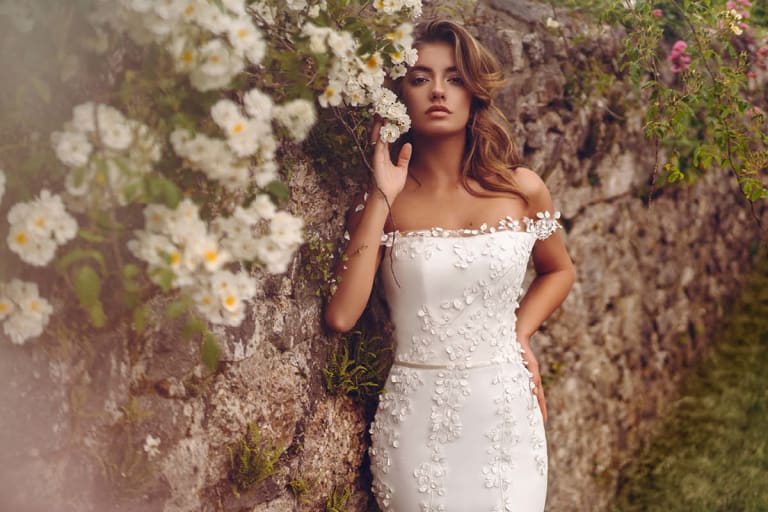
Cut-Out Dresses Dominate Spring Runways
Spring fashion has always loved a little drama.
One season it comes through color. Another season it comes through florals, sheer fabrics, dramatic sleeves, sculptural tailoring, or romantic lace. But for 2026, one of the boldest dress stories is all about what designers are choosing to leave out.
Cut-out dresses are dominating the spring conversation again, but this time they feel sharper, more intentional, and more architectural than the party-heavy versions of the past. The new cut-out dress is not just about showing skin. It is about shape, placement, negative space, and the way a dress frames the body like a moving sculpture.
The trend appears across the larger spring/summer 2026 mood, where designers are playing with asymmetry, draping, body-conscious silhouettes, sheer layering, floral details, and clothes that move. Vogue’s spring 2026 dress report highlighted a season full of expressive dressmaking, from draped dresses and lacey romance to statement pieces, tunics, florals, and crafted textures. ELLE’s summer dress trend coverage also pointed to runway styles with floral cutouts, including Zimmermann’s spring/summer 2026 take, showing how the cut-out idea is evolving beyond simple waist slashes into decorative surface design.
That is what makes the 2026 cut-out dress feel fresh.
It is no longer only a club dress.
It can be romantic, minimal, futuristic, beachy, sculptural, elegant, or even surprisingly wearable.
The New Cut-Out Is More Refined
Cut-out dresses have been around for years, but the 2026 version feels more controlled.
Earlier versions of the trend often focused on obvious side cutouts, exposed waists, open backs, or dramatic midriff reveals. Those styles are still around, but the runway mood has become more thoughtful. Designers are treating the cut-out as part of the garment’s structure, not just a sexy add-on.
The strongest spring versions use openings to create balance. A shoulder cut-out can soften a tailored dress. A waist window can break up a column silhouette. A back cut-out can make a simple slip dress more memorable. Floral cutouts can turn denim or cotton into something decorative and playful. A single asymmetrical opening can make a dress feel modern without overwhelming the body.
Fashion commentators are also distinguishing this newer “peekaboo” direction from older random cut-out styling. The 2026 version is increasingly described as architectural: purposeful openings, tailored windows, and skin reveals that look designed rather than accidental.
That word matters: purposeful.
A good cut-out dress does not look like fabric is missing.
It looks like the empty space was designed first.
Why Cut-Out Dresses Keep Coming Back
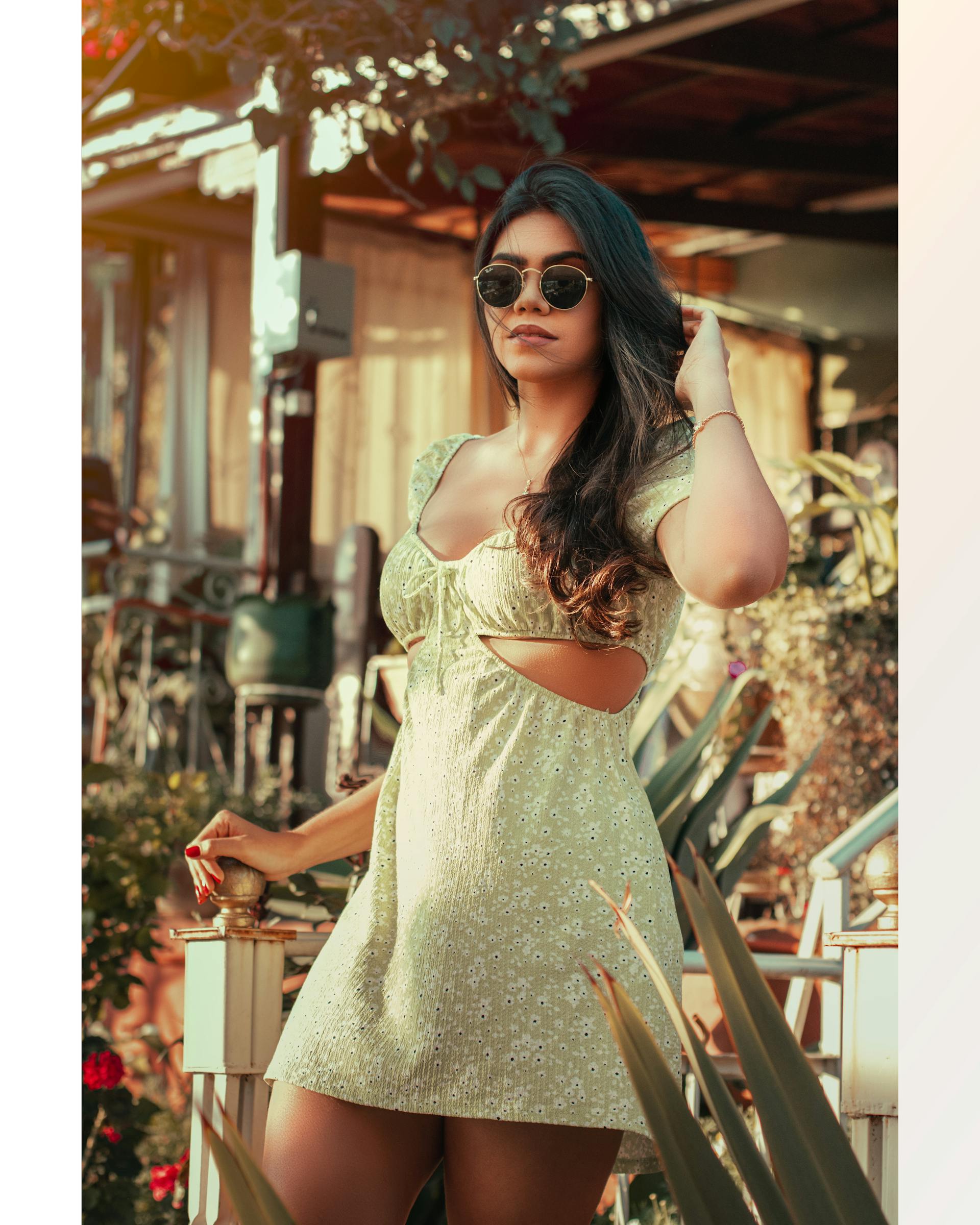
Cut-out dresses keep returning because they solve a simple fashion problem: they make a dress feel instantly modern.
A plain black dress becomes sharper with a side opening.
A white summer dress feels fresher with a back cut-out.
A long knit dress becomes less heavy with shoulder slashes.
A floral dress becomes less sweet when the skin reveal adds tension.
A minimalist column dress becomes more interesting when negative space shapes the waist or collarbone.
Cut-outs offer visual drama without needing loud prints, heavy embellishment, or complicated styling. They let the body become part of the design. That is why the trend works so well on runways and red carpets. It creates an immediate focal point.
The trend also fits the current fashion mood, where designers are blending sensuality with restraint. Sheer dressing, draping, lingerie details, asymmetry, and body-skimming silhouettes are all part of the same conversation. Marie Claire noted that sheer dressing remains one of spring 2026’s major trends, but the modern styling is more refined and wearable than purely revealing. Cut-out dresses follow that same logic.
The goal is not simply exposure.
The goal is controlled reveal.
The Rise of Architectural Skin
The best cut-out dresses of 2026 use skin like a design material.
This is why the trend feels more grown-up than before. A cut-out near the collarbone can feel elegant. A curved opening at the waist can create movement. A back window can make a simple dress unforgettable. A floral-shaped cut-out can turn empty space into decoration.
Designers are thinking like architects. They use negative space to change proportion, direction, and focus. The absence of fabric becomes as important as the fabric itself.
This approach also makes cut-outs more versatile. Not every cut-out needs to be large. Some are tiny. Some are hidden until the wearer moves. Some are layered over mesh or sheer panels. Some are framed by draping so the reveal feels soft rather than sharp.
That is why cut-out dresses are appearing in so many forms:
Minimal black gowns.
Soft jersey dresses.
Denim summer dresses.
Crochet resort dresses.
Slinky evening dresses.
Asymmetrical one-shoulder styles.
Floral appliqué pieces.
Knit bodycon silhouettes.
Bridal-inspired white dresses.
Vacation maxi dresses.
The category is no longer one-note.
It has range.
Spring Runways Love Asymmetry
Cut-outs and asymmetry are natural partners.
A symmetrical cut-out can feel clean and graphic, but an asymmetrical one feels more fashion-forward. It makes the eye move across the body. It creates tension. It makes the dress feel less predictable.
This is why one-shoulder dresses, diagonal waist openings, uneven necklines, hip cut-outs, and slanted back details are so common in the trend. They make the design feel active, even when the silhouette is simple.
Asymmetrical draping is also a major dress story for 2026. ELLE’s summer dress report highlighted asymmetrical draping as one of the important warm-weather directions, with runway examples from brands such as Zimmermann and Lanvin. Cut-outs often appear inside that same draped language, giving soft fabric a sharper edge.
The result is a dress that looks effortless but considered.
A little undone.
A little sculptural.
Very spring 2026.
Floral Cut-Outs Make the Trend Softer
One of the prettiest updates is the rise of floral cut-outs.
Instead of cutting away fabric in simple circles or slashes, designers are using flower-shaped openings, laser-cut petals, appliqué-framed windows, and botanical negative space. This makes the trend feel romantic rather than aggressive.
Floral cut-outs are especially appealing because they connect two classic spring ideas: flowers and skin. The result feels playful, fresh, and seasonally perfect. A denim dress with flower-shaped cut-outs, for example, can feel casual and artistic at the same time. ELLE’s summer 2026 dress trend coverage specifically highlighted a blue denim dress with floral cutouts from Zimmermann’s spring/summer 2026 collection.
This softer version is ideal for people who like the idea of cut-outs but do not want a harsh or overly revealing look.
A floral opening can be sweet.
A side slash can be sexy.
A back cut-out can be elegant.
A hip window can be daring.
The trend now gives wearers options.
The Cut-Out Dress Has Moved Beyond Nightlife
For a long time, cut-out dresses were associated with party dressing.
That is still part of the trend, but spring 2026 has moved cut-outs into daytime, vacation, resortwear, and even elevated casual dressing. The key is fabric and placement.
A ribbed knit dress with a small shoulder cut-out can work for daytime.
A linen maxi with a back opening feels perfect for vacation.
A cotton poplin dress with side ties and small waist cut-outs feels playful but not too formal.
A crochet dress with openwork details feels beach-ready.
A simple black midi with a single neckline cut-out can work for dinner.
The trend’s maturity comes from styling restraint. You do not need sky-high heels and heavy makeup. A cut-out dress can be styled with flat sandals, ballet flats, slingbacks, minimal jewelry, or an oversized blazer.
That is how it becomes wearable.
The cut-out provides the drama.
Everything else can stay simple.
How to Wear Cut-Out Dresses Without Feeling Overexposed
The most common concern is comfort.
Cut-out dresses can look amazing on runways, but real life includes sitting, walking, eating, sweating, commuting, dancing, and wanting to feel secure. The difference between a confident cut-out dress and an annoying one is placement.
A good everyday cut-out should not require constant adjustment. It should not expose more than intended when you move. It should work with undergarments or include enough structure that you feel supported.
For a more wearable approach, choose:
A small back cut-out.
A collarbone cut-out.
A shoulder opening.
A waist detail with adjustable ties.
A dress with mesh behind the opening.
A cut-out placed higher on the torso rather than low on the hip.
A thicker fabric that holds shape.
A midi or maxi length to balance the reveal.
The best styling trick is balance. If the cut-out is bold, keep the rest of the dress simple. If the dress is short, choose a smaller opening. If the cut-out is at the waist, consider a higher neckline. If the back is open, let the front stay clean.
The goal is confidence, not discomfort.
Why Negative Space Photographs So Well
Cut-out dresses are popular partly because they photograph beautifully.
Negative space creates contrast. A simple dress can look more dynamic when skin breaks up the silhouette. On camera, cut-outs create lines, curves, shadows, and shape. They help define the body without relying only on tightness.
This is why the trend works so well for red carpets, editorials, influencer shoots, and runway images. A cut-out creates an instant visual hook. It makes the dress recognizable from a distance and interesting up close.
But the same quality can also work in everyday style. A small back cut-out in a vacation photo. A shoulder cut-out in a brunch outfit. A waist cut-out in an evening look. These details add personality without needing heavy styling.
Fashion in 2026 is deeply visual.
Cut-out dresses understand the camera.
The Quiet Luxury Version
Not every cut-out dress is loud.
The quiet luxury version uses expensive-looking fabric, clean lines, and one subtle opening. Think black jersey, ivory silk, chocolate satin, navy knit, or soft beige cotton with a single elegant cut-out at the shoulder, back, or waist.
This version feels less trend-driven and more timeless. It is ideal for people who like minimal fashion but want one modern detail.
The styling should stay polished:
Gold earrings.
Sleek sandals.
A low bun.
A structured bag.
Soft makeup.
Clean heels or flats.
The cut-out becomes the only surprise.
This is probably the most wearable way to adopt the trend, especially for women who do not want a dress that screams “runway trend.”
The Resortwear Version
Cut-out dresses also make perfect resortwear.
Vacation fashion is naturally more relaxed, skin-baring, and playful. A linen dress with side cut-outs, a crochet maxi with open sections, or a halter dress with a waist window feels right by the sea.
The resort version works best with natural textures:
Raffia bags.
Flat sandals.
Shell jewelry.
Woven hats.
Gold anklets.
Minimal makeup.
Sun-warmed skin.
This is where cut-outs feel least forced. In warm weather, showing skin is practical as well as stylish. A cut-out dress can feel breezy, comfortable, and photogenic.
The trick is choosing breathable fabrics. Cotton, linen, crochet, lightweight knit, and soft jersey make the trend feel easy.
A stiff synthetic cut-out dress in summer heat can quickly become uncomfortable.
The Evening Version
For eveningwear, cut-out dresses remain powerful.
A black gown with side cut-outs.
A white column dress with an open back.
A metallic dress with a hip window.
A red body-skimming midi with an asymmetrical neckline.
A satin gown with a sculptural stomach cut-out.
These looks work because they blend glamour and tension. The dress is elegant, but the skin reveal keeps it modern.
Evening cut-outs can be more dramatic than daytime ones, but fit becomes even more important. A formal cut-out dress should feel secure. If you are adjusting it all night, the glamour disappears.
For evening, consider:
Built-in support.
Stronger fabric.
Strategic lining.
Good tailoring.
Fashion tape only as backup, not the whole plan.
A cut-out evening dress should make you stand taller.
Not make you panic every time you move.
The Celebrity Effect
Celebrities have helped keep cut-out dressing alive.
Red carpets, Cannes appearances, music events, and fashion-week street style continue to feature sheer panels, open waists, slashed dresses, and sculptural reveal details. InStyle recently covered Dua Lipa at Cannes wearing a Jean Paul Gaultier silver fringe mini dress with metallic fabric, cutouts, and disco-style tassels, showing how cut-outs continue to appear in celebrity event dressing.
Celebrity styling matters because cut-out dresses are visual and memorable. One strong look can travel across social media instantly. The trend thrives on that visibility.
But the runway version and celebrity version are not always the most practical for everyday wear. Most people do not have stylists, tailors, dressers, or red-carpet lighting. The best real-life inspiration is not copying the most extreme version, but adapting the idea.
A celebrity may wear a metallic cut-out mini.
You can wear a black midi with a small side window.
Same trend.
Different lifestyle.
The Body Confidence Conversation
Cut-out dresses often trigger discussions about body confidence.
Because the trend exposes specific areas of the body, some people feel excluded or intimidated. Fashion marketing often shows cut-outs on very slim bodies, which can make the trend seem less accessible than it actually is.
But cut-outs are not only for one body type.
The key is placement, support, and proportion. Some people love waist cut-outs. Others prefer shoulders, back, collarbone, arms, or neckline details. A cut-out can highlight a favorite feature without exposing areas someone does not want to show.
Designers and brands are slowly improving size diversity, but the market still has work to do. A good cut-out dress for fuller bodies should not simply scale up a small-size design. It needs proper support, stronger construction, thoughtful placement, and fabric that moves well.
The most stylish cut-out is the one the wearer feels good in.
Confidence is not created by exposure.
It is created by fit.
The Risk of Overdoing It
Cut-outs can go wrong quickly.
Too many openings can make a dress feel busy. Poor placement can look awkward. Cheap fabric can make the design feel flimsy. Bad fit can turn a bold detail into a constant wardrobe problem.
Some fashion editors have even argued that “cutouts everywhere” became overdone in recent years, with draped dresses offering a more quietly impactful alternative in 2026. That criticism is fair. The trend feels best when it is edited.
The modern cut-out dress should not look like a checklist:
Waist cut-out.
Hip cut-out.
Back cut-out.
Shoulder cut-out.
Chest cut-out.
All at once.
The strongest looks usually choose one focal point.
Maybe two.
Fashion restraint is what makes the trend feel expensive.
Best Fabrics for Cut-Out Dresses
Fabric can make or break a cut-out dress.
Stretch jersey works well for body-skimming styles because it moves with the body.
Knitwear can make cut-outs feel soft and wearable.
Satin creates evening glamour but needs strong construction.
Cotton poplin makes cut-outs feel crisp and summery.
Linen gives the trend a relaxed resort feel.
Crochet naturally plays with open space.
Denim makes cut-outs feel youthful and structured.
Mesh or sheer inserts can create a covered cut-out effect.
Avoid flimsy fabrics that stretch out around the opening. A cut-out needs structure to keep its shape. If the fabric collapses, wrinkles, or gaps awkwardly, the design loses polish.
A good cut-out dress should look intentional from every angle.
That comes from fabric as much as design.
How to Style Cut-Out Dresses in 2026
The easiest way to style a cut-out dress is to let the dress be the main event.
For daytime, pair with flat sandals, ballet flats, low-heeled mules, or minimal sneakers. Add delicate jewelry and a simple bag.
For evening, use strappy heels, sculptural earrings, a sleek clutch, and soft hair.
For vacation, style with woven accessories, shell jewelry, slides, and sun-friendly makeup.
For city dressing, add an oversized blazer or lightweight trench to make the reveal feel more controlled.
For a minimalist look, choose monochrome.
For a playful look, choose floral cut-outs or bright colors.
For a polished look, choose a midi length and one subtle opening.
The one thing to avoid is over-accessorizing. Cut-outs already add visual interest. Too many accessories can make the outfit look crowded.
Let the negative space breathe.
Are Cut-Out Dresses Just a Passing Trend?
Cut-out dresses are trendy, but they are not new. That gives them staying power.
The exact shapes will change. One year it is waist cut-outs. Another year it is shoulder slashes. Another year it is open backs or floral openings. But the idea of using negative space in clothing is permanent because it is such a powerful design tool.
What changes is the mood.
The early 2020s loved bold, body-baring cut-outs. Spring 2026 is more refined, architectural, and integrated with draping, florals, sheer layering, and sculptural silhouettes.
That evolution keeps the trend alive.
The cut-out dress is not disappearing.
It is becoming smarter.
Final Verdict
Cut-out dresses are dominating spring runways because they offer the perfect mix of sensuality, structure, and modern design. The 2026 version is less about random skin reveal and more about architectural negative space: shoulder openings, asymmetrical waist windows, sculptural backs, floral cutouts, and refined peekaboo details that feel intentional rather than obvious.
The broader spring/summer 2026 dress mood is full of expressive shapes, draping, florals, statement pieces, sheer fabrics, and crafted textures, making cut-outs feel like part of a larger movement toward clothes that frame the body in more artistic ways.
The best cut-out dresses are not the most revealing ones.
They are the most considered.
A small opening at the collarbone. A flower-shaped window in denim. A curved side cut-out on a black midi. A back detail on a linen vacation dress. These are the details making spring fashion feel fresh, confident, and camera-ready.
In 2026, the cut-out dress is not just showing skin.
It is shaping space.