Franchise Universe Glossary: The Essential Movie and TV Terms Every Newcomer Should Know
A clear movie universe guide to sequel, reboot, prequel, canon, multiverse, post-credits scenes, and more
Massive entertainment franchises do not just sell stories anymore. They sell systems.
A new viewer trying to enter the Marvel universe, Star Wars, the DC universe, Dune, Alien, Planet of the Apes, or even a long-running horror franchise is not only asking, “What should I watch first?” They are also asking a quieter question: “What do all these words mean?” Sequel. Reboot. Soft reboot. Canon. Spinoff. Multiverse. Legacy sequel. Shared universe. Mid-credits scene. Suddenly, watching one film feels like enrolling in a language course.
That is why a strong franchise universe glossary matters. In modern entertainment, jargon is part of the viewing experience. If newcomers do not understand the terms, they often feel shut out before the story even starts. A clear glossary solves that problem. It turns confusing franchise language into a map. It helps casual viewers enter massive entertainment pipelines faster, and it gives publishers a useful definitional hub that can support dozens of future pages.
This guide is built exactly for that purpose. It keeps each term short, linked in spirit, and example-driven so you can reuse it as the foundation for future articles on watch order, timeline confusion, post-credit scenes, franchise strategy, and cinematic universe debates.
How to use this glossary hub
This page works best as a core reference page.
You can build future content around it, such as:
- best watch order guides
- canon vs non-canon explainers
- franchise timeline breakdowns
- “do I need to watch the earlier movies?” pages
- universe recaps for beginners
- post-credits scene explainers
- reboot and remake comparison articles
For site structure, this page can act as the central hub linking out to deeper articles later.
Suggested slug:
/franchise-universe-glossary
Suggested future cluster pages:
- /what-is-a-cinematic-universe
- /canon-vs-non-canon-explained
- /sequel-vs-prequel-vs-spinoff
- /soft-reboot-meaning
- /multiverse-in-movies-explained
- /how-post-credits-scenes-work
- /best-watch-order-for-franchises
Franchise Universe Glossary
Cinematic Universe
A cinematic universe is a connected set of films or shows that share characters, events, or world-building.
Simple meaning: Different stories happen in the same larger fictional world.
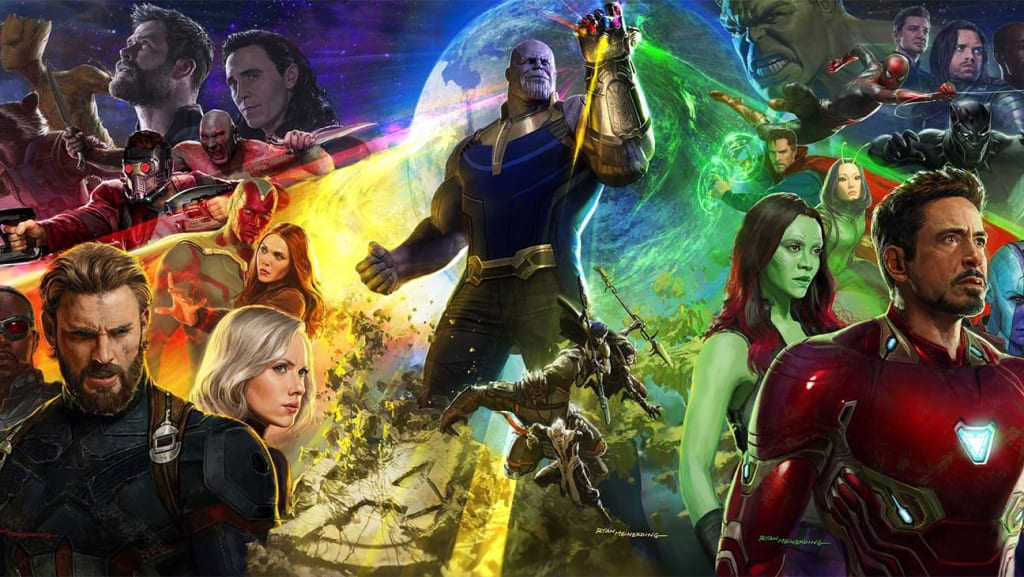
Example: The Marvel Cinematic Universe connects heroes like Iron Man, Thor, and Spider-Man within one larger continuity.
See also: shared universe, canon, crossover, multiverse
Shared Universe
A shared universe is a broader term for a fictional setting where multiple characters or storylines exist together across different titles.
Simple meaning: Separate movies or shows belong to the same world.
Example: Star Wars films, series, animated shows, and books often operate inside one shared universe.
Why it matters: Not every shared universe is planned as tightly as a cinematic universe.
See also: cinematic universe, canon, spinoff
Franchise
A franchise is the full commercial and storytelling brand built around a movie, show, character, or world.
Simple meaning: One successful property grows into sequels, merchandise, games, shows, and more.
Example: Jurassic Park became a franchise, not just a single film.
Why it matters: A franchise can exist without a shared universe.
See also: IP, sequel, reboot
IP (Intellectual Property)
IP means the legally owned creative property behind a story world, character, or brand.
Simple meaning: The original property a studio can expand and monetize.
Example: Batman is a powerful piece of IP because it can support films, games, series, comics, and merchandise.
Why it matters: Studios often build universe plans around strong IP.
See also: franchise, adaptation, reboot
Canon
Canon refers to the stories officially accepted as part of the “real” continuity.
Simple meaning: What counts as officially true inside the fictional universe.
Example: In many franchises, one TV spinoff may be canon while an older comic tie-in is not.
Why it matters: Fans use canon to decide what events “really happened.”
See also: continuity, non-canon, retcon
Non-Canon
Non-canon means a story is not part of the official continuity.
Simple meaning: It exists, but it does not count in the main storyline.
Example: Alternate comic runs, parody specials, or one-off “what if” stories are often non-canon.
Why it matters: Non-canon stories can still be popular even if they do not affect the main universe.
See also: canon, alternate timeline, multiverse
Continuity
Continuity is the internal consistency of a fictional universe across different stories.
Simple meaning: The details line up from one story to the next.
Example: If a character dies in one film but appears alive later with no explanation, fans say continuity has a problem.
Why it matters: Big franchises rely on continuity to keep audiences invested.
See also: canon, retcon, timeline
Timeline
A timeline is the order in which events happen inside the story world.
Simple meaning: The in-universe sequence of events.
Example: A franchise may release films in one order but place them on the timeline in another.
Why it matters: Watch order and timeline order are often different.
See also: chronological order, release order, prequel
Release Order
Release order means watching films or shows in the order they came out.
Simple meaning: The order audiences originally experienced them.
Example: Many beginners watch long franchises in release order first because reveals make more sense that way.
Why it matters: Release order often preserves surprises better than timeline order.
See also: timeline, chronological order, viewing order
Chronological Order
Chronological order means watching stories according to when events happen in-universe.
Simple meaning: Story-time order, not release-date order.
Example: A prequel made in 2024 may come before a 2018 film in chronological order.
Why it matters: This can help newcomers follow the universe more cleanly, but sometimes it weakens twists.
See also: prequel, timeline, release order
Viewing Order
Viewing order is the recommended order for watching a franchise.
Simple meaning: The best path through the material.
Example: One franchise may have a release-order viewing guide for beginners and a chronological-order guide for returning fans.
Why it matters: Viewing order is often a better beginner question than canon alone.
See also: release order, chronological order, canon
Sequel
A sequel continues the story after an earlier film or show.
Simple meaning: What happens next.
Example: Toy Story 2 is a sequel to Toy Story.
Why it matters: Sequels usually move the timeline forward.
See also: prequel, trilogy, legacy sequel
Prequel
A prequel tells a story set before an earlier released film.
Simple meaning: What happened before the story you already know.
Example: A film about a villain’s younger years is often a prequel.
Why it matters: Prequels can deepen character backstory or answer old questions.
See also: sequel, origin story, chronology
Midquel
A midquel takes place between two existing entries.
Simple meaning: A story inserted into the middle of the timeline.
Example: If Film 3 is set between Film 1 and Film 2, it is a midquel.
Why it matters: Midquels often expand popular story gaps.
See also: prequel, sequel, timeline
Interquel
An interquel is very close to a midquel: a story placed between two already existing stories.
Simple meaning: A bridge chapter.
Example: A series set between two major films in the same saga is often called an interquel.
Why it matters: The term shows how franchises now fill every possible narrative gap.
See also: midquel, spinoff, timeline
Spinoff
A spinoff takes a supporting character, side concept, or corner of a universe and builds a new story around it.
Simple meaning: A side branch becomes its own title.
Example: A popular side character from a main film getting a solo series is a spinoff.
Why it matters: Spinoffs are how franchises grow wider, not just longer.
See also: shared universe, side character, canon
Origin Story
An origin story explains how a character, villain, or team first became who they are.
Simple meaning: The beginning story.
Example: A superhero’s first transformation or early trauma is usually part of the origin story.
Why it matters: Origin stories help new audiences enter a franchise.
See also: prequel, reboot, backstory
Backstory
Backstory is the history behind the current plot.
Simple meaning: The important past events that shape the present story.
Example: A brief flashback about a hero’s childhood can reveal backstory without becoming a full prequel.
Why it matters: Big franchises often turn backstory into later standalone entries.
See also: origin story, lore, exposition
Reboot
A reboot restarts a franchise with a new version of the characters or world.
Simple meaning: Start over from the beginning.
Example: A new Batman film series with a different continuity is a reboot.
Why it matters: Reboots let studios refresh old properties for new audiences.
See also: remake, soft reboot, retcon
Soft Reboot
A soft reboot keeps some earlier continuity but refreshes the tone, cast, or direction enough to feel like a new starting point.
Simple meaning: Not a full restart, but close enough for new viewers to jump in.
Example: A later sequel that brings back old heroes while introducing new leads often functions as a soft reboot.
Why it matters: This is one of the most common franchise strategies now.
See also: reboot, legacy sequel, relaunch
Hard Reboot
A hard reboot wipes the slate clean and starts fresh.
Simple meaning: The old story no longer counts.
Example: New cast, new continuity, new timeline, same basic property.
Why it matters: A hard reboot is clearer than a soft reboot but riskier with longtime fans.
See also: reboot, canon, continuity reset
Legacy Sequel
A legacy sequel continues an older franchise after a long gap, often bringing back original characters while introducing younger replacements.
Simple meaning: A late sequel built on nostalgia and renewal.
Example: A film that revives an old horror or action franchise decades later is often a legacy sequel.
Why it matters: Legacy sequels help franchises bridge generations.
See also: sequel, soft reboot, fan service
Remake
A remake retells an existing story again rather than continuing it.
Simple meaning: Same basic story, new version.
Example: A classic film being remade with a new cast and modern style.
Why it matters: A remake is not the same as a reboot, though people often confuse them.
See also: reboot, adaptation
Reimagining
A reimagining takes the core idea of an older property but changes major details, tone, or setting.
Simple meaning: Inspired by the original, but more freely reinvented.
Example: A dark, modern version of a light older fantasy tale could be called a reimagining.
Why it matters: Reimaginings give creators more freedom than straight remakes.
See also: remake, reboot, adaptation
Retcon
Retcon means “retroactive continuity.” It changes previously accepted story information after the fact.
Simple meaning: The franchise rewrites part of its own past.
Example: A character once believed dead being revealed to have secretly survived is a retcon.
Why it matters: Retcons help fix continuity problems, but fans often debate them heavily.
See also: canon, continuity, reboot
Lore
Lore is the deep background knowledge of a fictional world.
Simple meaning: The hidden rules, history, myths, factions, and details behind the main story.
Example: Prophecies, ancient wars, lost artifacts, and old family bloodlines are all part of lore.
Why it matters: Modern fandom runs on lore.
See also: canon, worldbuilding, exposition
Worldbuilding
Worldbuilding is the creation of the rules, cultures, locations, politics, and logic of a fictional world.
Simple meaning: How the universe is built.
Example: A sci-fi franchise explaining its planets, governments, and technology is doing worldbuilding.
Why it matters: Strong worldbuilding makes a franchise feel bigger than one plot.
See also: lore, canon, shared universe
Crossover
A crossover happens when characters or storylines from different titles meet.
Simple meaning: Separate parts of the franchise collide.
Example: Two heroes from different solo films joining in one event movie is a crossover.
Why it matters: Crossovers are major payoff moments in shared universes.
See also: team-up, shared universe, event movie
Team-Up
A team-up is a story built around multiple major characters working together.
Simple meaning: The heroes join forces.
Example: A crossover often becomes a team-up movie once the characters start operating as a group.
Why it matters: Team-ups turn separate franchises into bigger events.
See also: crossover, ensemble
Ensemble
An ensemble story gives major importance to several characters instead of one lead.
Simple meaning: The cast shares the spotlight.
Example: A superhero group movie is often an ensemble film.
Why it matters: Ensemble storytelling is essential in universe-based entertainment.
See also: team-up, crossover, franchise cast
Multiverse
A multiverse is a story concept where multiple parallel realities exist at once.
Simple meaning: Different versions of characters and worlds can all be real.
Example: Two versions of the same hero meeting each other is a multiverse story.
Why it matters: The multiverse lets franchises mix old and new continuities.
See also: alternate timeline, canon, reboot
Alternate Timeline
An alternate timeline is a version of events that unfolds differently from the main one.
Simple meaning: A “what changed?” version of the story world.
Example: If one key event goes differently and creates a new reality, that is an alternate timeline.
Why it matters: Alternate timelines let franchises experiment without fully destroying canon.
See also: multiverse, non-canon, retcon
Variant
A variant is a different version of the same character from another timeline or universe.
Simple meaning: Same character, different reality.
Example: A heroic version and a villainous version of the same person can both exist as variants.
Why it matters: The term became much more common with multiverse storytelling.
See also: multiverse, alternate timeline
Elseworld / What If Story
An Elseworld or What If story imagines a major change to the normal universe.
Simple meaning: An alternate version that asks, “What if this had happened instead?”
Example: What if the hero became the villain? What if the apocalypse came early?
Why it matters: These stories are useful for experimentation and fan curiosity.
See also: non-canon, alternate timeline, multiverse
Canon Event
A canon event is a major event considered essential to a character or universe.
Simple meaning: A turning point that defines the story.
Example: A hero losing a mentor can become a canon event if it shapes every later version of them.
Why it matters: The term is now common in fan discussions about what a franchise “needs” to remain itself.
See also: canon, continuity, origin story
Fan Service
Fan service means including moments designed to please longtime fans.
Simple meaning: A wink, callback, cameo, or payoff made for the people already invested.
Example: A classic line, surprise return, or old costume appearing briefly is fan service.
Why it matters: Fan service can be thrilling when earned and empty when overused.
See also: cameo, Easter egg, legacy sequel
Cameo
A cameo is a brief appearance by a familiar actor, character, or creator.
Simple meaning: A short pop-in, often for surprise or recognition.
Example: An older franchise star appearing for one scene in a new entry is a cameo.
Why it matters: Cameos often generate buzz disproportionate to their size.
See also: fan service, crossover
Easter Egg
An Easter egg is a hidden reference placed in the story for attentive fans to notice.
Simple meaning: A secret nod.
Example: A background prop hinting at a future villain is an Easter egg.
Why it matters: Easter eggs help turn viewers into repeat-watchers.
See also: fan service, post-credits scene
Post-Credits Scene
A post-credits scene appears after the main film ends, often teasing future stories.
Simple meaning: Stay after the credits for one more scene.
Example: A villain teaser or surprise character reveal after the credits is a post-credits scene.
Why it matters: Post-credits scenes train audiences to think in franchise terms.
See also: mid-credits scene, teaser, crossover
Mid-Credits Scene
A mid-credits scene appears during the credits, not after all of them finish.
Simple meaning: A bonus scene before the credits fully end.
Example: Many blockbuster franchises split one scene during the credits and another after them.
Why it matters: New viewers often confuse mid-credits and post-credits scenes.
See also: post-credits scene
Teaser
A teaser is a short preview of a future film, show, or plotline.
Simple meaning: A small early hint.
Example: A mysterious object shown in a post-credits scene can function as a teaser.
Why it matters: Teasers keep the universe feeling alive between releases.
See also: trailer, post-credits scene
Arc
An arc is the path of change for a character, relationship, or storyline.
Simple meaning: How something develops over time.
Example: A villain-to-hero arc spans multiple entries.
Why it matters: Franchises depend on long arcs to reward loyal viewers.
See also: character development, saga
Story Arc
A story arc is a connected run of events with a clear beginning, middle, and ending inside the larger franchise.
Simple meaning: A major plot chapter within the bigger universe.
Example: An “Infinity Saga”-style structure is a long-form story arc.
Why it matters: Story arcs help giant franchises feel organized.
See also: phase, saga
Phase
A phase is a grouped era of releases inside a cinematic universe plan.
Simple meaning: One batch of connected entries.
Example: A studio may organize five films and three shows into one phase.
Why it matters: Phases help audiences understand the universe roadmap.
See also: saga, story arc
Saga
A saga is a large overarching narrative made up of several connected arcs or phases.
Simple meaning: The bigger era containing multiple major stories.
Example: A franchise may break its universe into one completed saga and one ongoing saga.
Why it matters: Sagas create long-term structure.
See also: phase, arc
Standalone
A standalone entry can be enjoyed without heavy knowledge of the wider franchise.
Simple meaning: You can watch it on its own.
Example: A solo character film that has a beginning, middle, and end without requiring six prior movies is a standalone.
Why it matters: Standalones are crucial for bringing in new viewers.
See also: entry point, origin story
Entry Point
An entry point is the best place for a newcomer to begin a franchise.
Simple meaning: The easiest first watch.
Example: A soft reboot often works as a strong entry point.
Why it matters: Every large franchise needs beginner-friendly doors in.
See also: standalone, viewing order
Deep Cut
A deep cut is an obscure reference, character, or plot detail mostly recognized by hardcore fans.
Simple meaning: A niche insider reference.
Example: A forgotten comic villain appearing briefly is a deep cut.
Why it matters: Deep cuts reward dedicated fans but can confuse newcomers.
See also: Easter egg, fan service
Final word
A strong movie universe guide should do one thing above all: reduce friction.
New audiences do not usually reject franchises because they hate the stories. They reject them because the language feels dense, the continuity looks intimidating, and the path in feels unclear. A smart franchise universe glossary fixes that. It gives readers short, example-driven definitions they can scan fast, understand quickly, and use again as they move into more detailed pages.
That makes this kind of article especially valuable as a definitional hub. It is not just one page. It is infrastructure.
If you want, I can turn this into a second page next:
“Sequel, Reboot, Prequel, and Spinoff Explained With 40 Film Examples.”