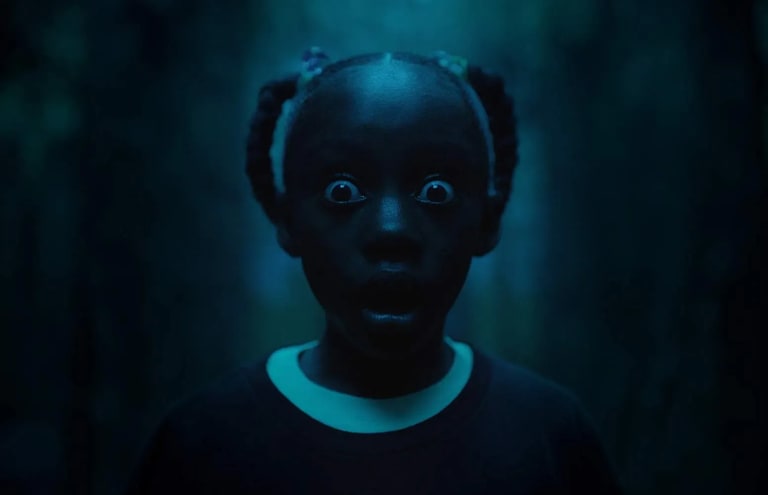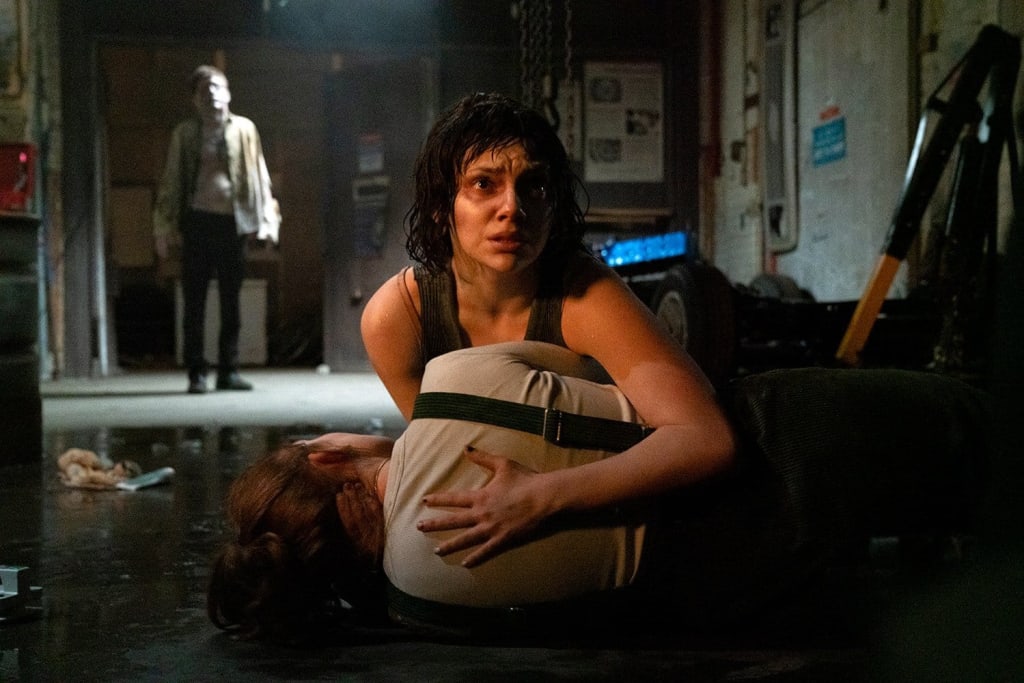
Urban Legend Horror Films: New Releases Based on Deadly Games and Folklore
Urban legends never really die. They simply change shape.
Once, they were whispered at sleepovers, told beside campfires, repeated in school corridors, passed between cousins, or printed in strange paperback collections with titles that promised “true stories.” A babysitter receives calls from inside the house. A couple parks on a lonely road and hears scratching on the roof. A hitchhiker vanishes from the back seat. A cursed tape kills anyone who watches it. A children’s game summons something that should have stayed hidden.
Today, urban legends travel faster. They move through TikTok, Reddit, YouTube, Discord, creepypasta forums, ARG communities, podcasts, livestreams, horror games, and short-form video. A story no longer needs decades to become folklore. A single image, challenge, sound, meme, or supposedly cursed clip can become a modern myth overnight.
Horror cinema has noticed.
A new wave of urban legend horror films and releases is turning deadly games, haunted objects, cursed rituals, viral spaces, and folklore creatures into fresh cinematic nightmares. Some of these movies are built around internet-born legends. Others draw from ancient folklore and ritual objects. Some revive the “game that kills” formula, while others explore liminal spaces and digital-age fear. The result is a horror landscape where the old campfire story has become a streaming-era nightmare.
Recent and upcoming titles show this shift clearly. Whistle, now streaming on Shudder, builds horror around the real-world Aztec death whistle, turning an eerie ancient object into a supernatural curse movie. Backrooms, expected as a major 2026 horror release, adapts one of the internet’s most famous liminal-space creepypastas. NEON’s Exit 8, released in theaters on April 10, 2026 according to Bloody Disgusting’s spring horror preview, is based on the popular Japanese liminal horror video game about escaping a repeating underground passage by spotting anomalies.
These films suggest something important: horror is no longer only adapting novels, slashers, haunted houses, or demonic possession stories. It is adapting the way modern people experience fear—through games, loops, rituals, recordings, challenges, digital spaces, and folklore that feels half-ancient and half-algorithmic.
Why Urban Legend Horror Is Back
Urban legend horror works because it feels close to real life. A vampire or werewolf may be frightening, but most people do not expect to meet one on the way home. An urban legend, however, feels possible. It might happen in a school bathroom, a hospital corridor, a parking lot, a basement, a subway tunnel, an abandoned mall, a phone app, or a strange online game.
The genre thrives on one simple idea: the ordinary world has rules you do not know.
Do not say the name in the mirror. Do not play the game alone. Do not follow the voice in the hallway. Do not open the door after midnight. Do not watch the tape. Do not blow the whistle. Do not ignore the anomaly. Do not enter the wrong corridor. Do not accept the stranger’s invitation. Do not assume the internet is only fiction.
Modern audiences love urban legend horror because it turns everyday behavior into ritual. Watching a video, playing a game, entering a building, scanning a QR code, sending a message, or accepting a dare can suddenly become dangerous. The fear is not only what the monster does. The fear is that the victim participated without understanding the rules.
That is why deadly-game horror remains so effective. It gives horror a structure. There are steps, penalties, time limits, forbidden actions, and consequences. The characters are not merely chased; they are tested. Every choice matters. Every rule hides a trap.
Folklore horror does something similar. It tells us that ancient beliefs, rituals, and warnings were not just stories. They were survival instructions. When modern characters dismiss them, horror begins.
The Deadly Game Formula
Deadly-game horror has been popular for decades, from Saw and Cube to Escape Room, Truth or Dare, Choose or Die, and countless survival-game thrillers. But the formula keeps returning because it fits modern life perfectly.
We live in a gamified world. Apps reward streaks. Social media rewards engagement. Algorithms set invisible rules. Workplaces track performance. Video games shape how younger audiences understand challenge, risk, and progression. Reality shows turn competition into spectacle. Online dares and viral challenges blur play, performance, and danger.
Deadly-game horror takes that cultural logic and makes it literal.
The characters enter a contest, play a cursed game, solve a puzzle, accept a dare, or follow rules they do not fully understand. At first, the game seems artificial. Then it becomes real. The line between play and survival disappears.
This structure is especially powerful when tied to urban legends. A game played by teenagers becomes an old ritual. A puzzle box becomes a gateway. A children’s chant becomes an invocation. An online challenge becomes a curse. A subway exit becomes a trap. A whistle becomes a death sentence.
The horror comes from realizing that the game was never a game. It was a system designed to feed on belief, curiosity, arrogance, or fear.
Whistle: Ancient Object, Modern Curse
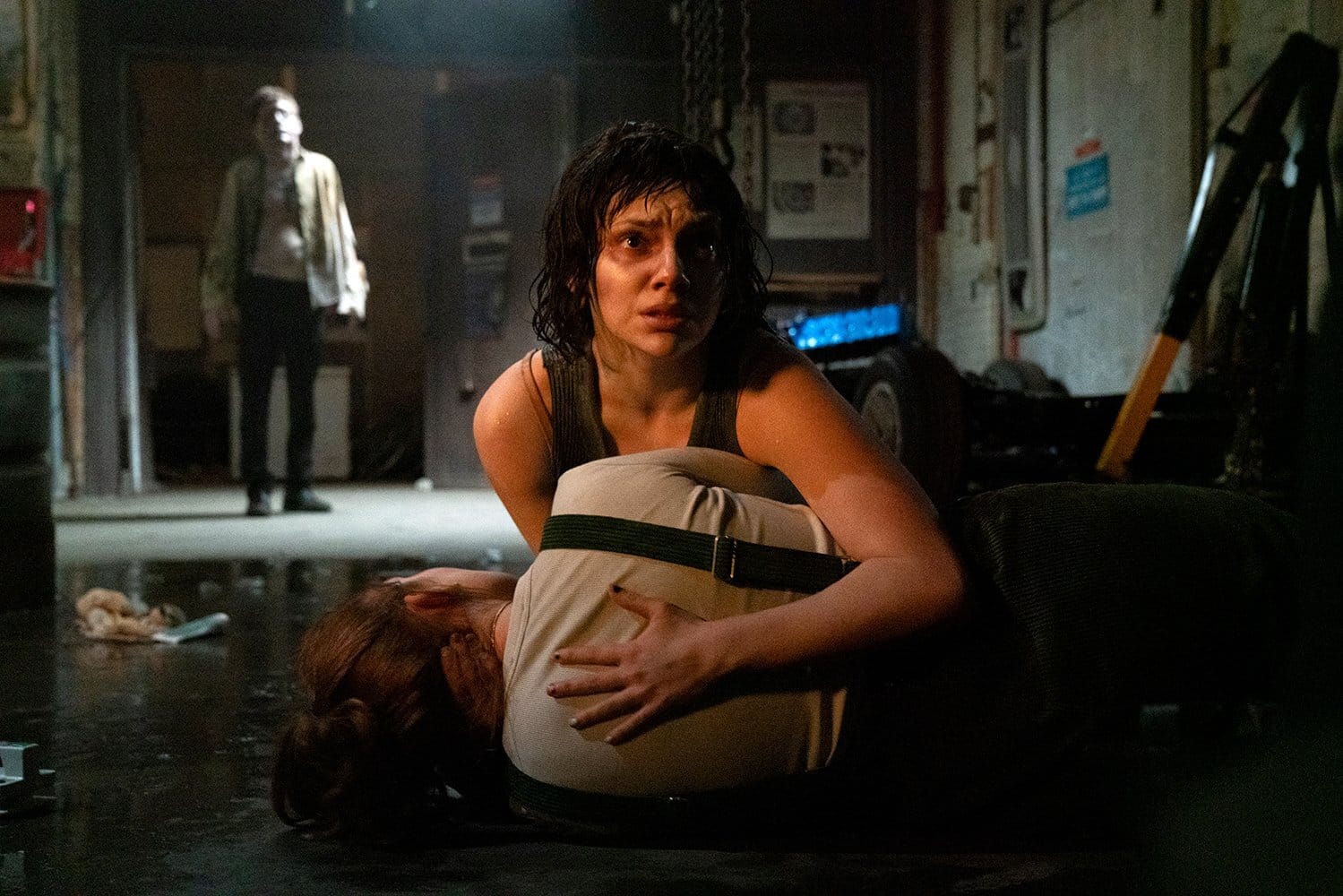
One of the most interesting recent examples of folklore-object horror is Whistle, a Shudder release directed by Corin Hardy and written by Owen Egerton. The film centers on an Aztec death whistle, a real archaeological object known for producing a deeply unsettling scream-like sound. In the movie, the whistle becomes a cursed object that dooms its user by summoning a deadly version of their future self. Decider’s May 2026 review describes the film as attempting to create a new subgenre around “Aztec death whistle horror,” though the review itself was critical of the execution.
The premise shows why ancient folklore and objects are so attractive to modern horror. The Aztec death whistle already has an eerie reputation because of its sound. It does not need much fictional exaggeration to become frightening. When a horror film takes such an object and turns it into a death curse, it taps into both historical curiosity and supernatural dread.
This is a classic urban legend move. A real object becomes a rumored danger. The audience knows the object exists, which makes the fictional curse feel more plausible. A cursed videotape is fictional, but VHS tapes were real. A haunted mirror is fictional, but mirrors are real. A death whistle curse is fictional, but the whistle’s sound is real enough to disturb people.
That blend of truth and invention is where urban legend horror lives.
The idea of being killed by a future self also adds a modern psychological layer. It suggests fate, inevitability, self-destruction, and the horror of becoming one’s own executioner. In older folklore, a cursed object may summon a demon or spirit. In modern horror, it may summon the person you are destined to become.
That is a very contemporary fear: not only that something is coming for you, but that it is connected to you.
Backrooms: Internet Folklore Becomes Cinema
Few modern creepypastas have spread as widely as the Backrooms. The original concept is simple and terrifying: a person “noclips” out of reality and ends up in an endless maze of yellowish rooms, buzzing fluorescent lights, damp carpet, and impossible corridors. Over time, online communities expanded the mythos with levels, entities, survival rules, found footage, and elaborate lore.
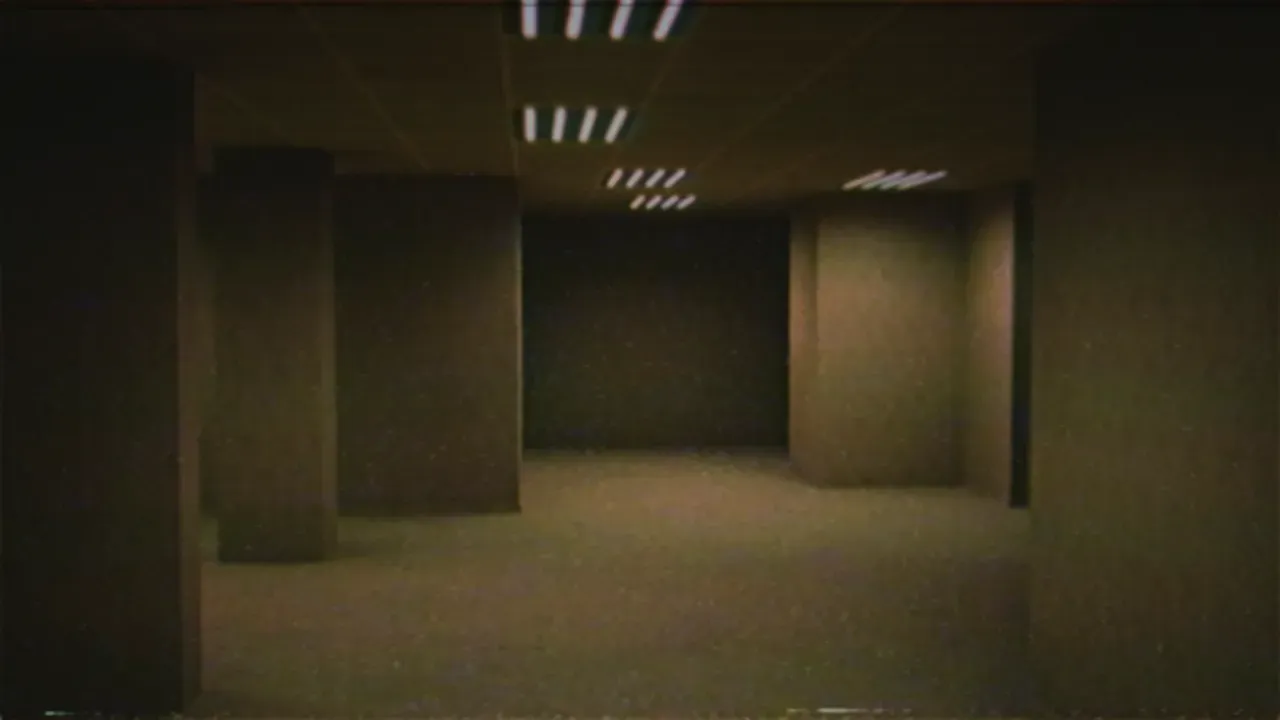
Now, Backrooms is entering the mainstream film-release conversation. TechRadar’s May 2026 release guide lists Backrooms as a May 29, 2026 theatrical release based on the viral creepypasta, starring Chiwetel Ejiofor. Bloody Disgusting also describes A24’s James Wan-produced Backrooms as part of a 2026 wave of liminal horror.
The Backrooms is not an ancient legend. It is internet folklore. But it functions like old folklore in a new medium. It has a shared setting, repeated warnings, community expansion, disputed “true” versions, and a feeling that the story belongs to everyone. No single campfire holds it. The internet itself does.
The horror of the Backrooms is not a traditional monster at first. It is space. Wrong space. Familiar space emptied of purpose. Office carpet. Fluorescent lights. Wallpaper. Corridors. Utility rooms. Hotel-like repetition. These are not gothic images. They are anti-gothic: boring, ugly, corporate, artificial.
That is what makes them terrifying.
The Backrooms turns modern architecture into a nightmare. It suggests that beneath shopping malls, offices, schools, hospitals, and apartment complexes is a hidden layer of meaningless space. A place built by no one and for no one. A place where reality has storage rooms.
This is why liminal horror has become so powerful. It reflects the emotional architecture of modern life: empty malls, late-night corridors, parking garages, abandoned schools, subway passages, hotel hallways, airport terminals, and office spaces that feel both familiar and dead.
In older folklore, people feared forests because forests were unknown. In modern folklore, people fear corridors because they are too known.
Exit 8: The Horror of Repetition and Anomalies
Exit 8 represents another major trend: horror adapted from minimalist video game logic. The original Japanese game places the player in a repeating underground passage and asks them to notice anomalies. If anything is wrong, turn back. If nothing is wrong, keep going. Fail to notice the difference, and the loop continues or punishes you.
Bloody Disgusting reported that NEON’s Exit 8 was set for theatrical release on April 10, 2026, noting that liminal horror is becoming a major box-office trend alongside Backrooms.
This kind of horror is subtle but deeply effective. It does not need a monster in every frame. The fear comes from attention. The viewer is trained to scan the environment. Is that poster different? Was that man there before? Did the lights flicker? Is the corridor longer? Did the wall move? Is that shadow normal?
The deadly-game element is built into perception. The character must follow rules, identify anomalies, and survive the loop. The audience becomes part of the game because they also begin searching for differences.
That creates a new kind of cinematic tension. Instead of waiting for a jump scare, viewers become investigators. Every frame becomes suspect. The ordinary becomes unstable.
Exit 8 also reflects a very modern anxiety: being trapped in repetition. Commutes, subway passages, office routines, apartment corridors, and daily schedules can already feel like loops. The horror film makes that feeling literal. You are not just bored by routine. You are imprisoned by it.
The only way out is to notice what is wrong.
Folklore Horror Versus Urban Legend Horror
Folklore horror and urban legend horror overlap, but they are not exactly the same.
Folklore horror often draws from older cultural traditions: spirits, witches, cursed landscapes, ritual practices, ancestral warnings, mythic creatures, religious fear, seasonal festivals, and local legends. It may be rural, ancient, or tied to specific communities.
Urban legend horror is usually more modern. It often involves contemporary settings: highways, schools, hospitals, apartments, phones, games, media, internet rumors, strangers, and dangerous dares. It spreads through repetition and feels like something that happened to “a friend of a friend.”
The new wave of horror blends both.
A film like Whistle uses a real ancient object but turns it into a modern teen curse. Backrooms uses internet folklore but gives it the mythic structure of a forbidden realm. Exit 8 uses video-game mechanics but functions like an urban legend about a subway passage that traps anyone who fails to follow the rules.
This hybrid approach is one reason the genre feels fresh. It does not choose between old and new fear. It combines them.
The ancient curse now goes viral. The internet myth becomes a haunted place. The game becomes ritual. The object becomes legend. The folklore becomes content, and the content becomes curse.
Why Deadly Ritual Games Still Scare Us
Deadly ritual games have a special place in horror because they often begin with disbelief. Characters are told not to play. They laugh. They treat it as a joke. They perform the ritual for fun, attention, curiosity, or peer pressure. Then something answers.
This structure works because many real-world traditions include ritualized games or dares: Bloody Mary, light as a feather, sleepover séances, Ouija sessions, midnight games, elevator games, closet games, and mirror rituals. Most people do not literally believe in them, but the act of playing creates atmosphere. The lights go off. The group becomes quiet. Someone whispers the rules. Even skeptics feel the tension.
Horror films exploit that moment beautifully. The characters may not believe, but the ritual does not care whether belief is sincere. The rules have been activated.
Deadly-game films often give these rituals consequences. Miss a turn, die. Tell a lie, die. Break the rules, die. Refuse to play, die. The game becomes a supernatural contract.
This reflects a deeper fear: that some actions cannot be undone. Once you say the name, blow the whistle, open the box, press play, enter the corridor, or accept the challenge, you have crossed a threshold.
Urban legend horror is full of thresholds. It asks: what did you just invite in?
The Internet as a Folklore Engine
The internet has become the most powerful folklore engine in human history.
Old folklore spread through oral retelling. Internet folklore spreads through screenshots, comments, videos, memes, fan wikis, theory threads, reaction channels, podcasts, and short horror clips. A story can mutate thousands of times in days. It can acquire rules, monsters, maps, timelines, fake evidence, and “true” witness accounts faster than any traditional legend.
The Backrooms is the perfect example. What began as an image and concept expanded into a massive collaborative mythos. Slender Man did something similar earlier, growing from an online image-editing contest into a major internet legend and horror property. Creepypasta culture turned forums into campfires.
This matters because horror cinema now has a new source of material. Filmmakers are no longer only adapting books, older movies, or historical legends. They are adapting online fears that already have communities behind them.
That creates both opportunity and challenge.
The opportunity is obvious: built-in audience, rich atmosphere, flexible lore, and modern relevance. The challenge is that internet folklore often works because it is fragmentary. It is scary as a rumor, image, or short video. Expanding it into a feature film can weaken the mystery if too much is explained.
The best adaptations understand restraint. They do not need to explain every entity, every rule, and every origin. Urban legends are strongest when some part remains unresolved.
The Fear of Rules You Don’t Understand
Many new urban legend horror releases are built around unclear rules. The character enters a system but does not fully understand how it works.
In Exit 8, the rule is to notice anomalies. But how obvious must an anomaly be? What counts as wrong? What happens if you doubt yourself? In Backrooms, the rules may vary by level, entity, or survival condition. In cursed-object horror like Whistle, the rules may reveal themselves too late. In deadly-game horror, the rulebook is often incomplete or deceptive.
This is a very modern fear. People constantly interact with systems they do not understand: algorithms, apps, contracts, surveillance, recommendation engines, financial platforms, AI tools, bureaucracies, medical systems, and digital terms of service. We click “agree” without reading. We enter systems and hope they are safe.
Urban legend horror transforms that everyday helplessness into supernatural danger.
The curse is not random. It has rules. But the rules were written by something inhuman.
That is scarier than chaos. Chaos can be survived by luck. A rule-based curse suggests intelligence, design, and punishment.
Folklore Objects: Why One Item Can Carry a Movie
A cursed object is one of horror’s most reliable tools because it gives fear a physical anchor. The object can be touched, stolen, inherited, sold, hidden, broken, or passed from victim to victim. It carries history with it.
The Aztec death whistle in Whistle is a good example of this pattern. Its real-world sound already feels unsettling, so the film only needs to add mythology and consequence.
Cursed-object horror has deep roots: rings, dolls, mirrors, books, tapes, boxes, masks, statues, cameras, phones, games, and musical instruments. The object often appears harmless until someone uses it incorrectly. Then the past awakens.
Folklore objects are especially effective because they suggest cultural depth. A whistle, mask, idol, or ritual tool may come from a tradition the characters do not understand. Horror begins when an object is removed from context and treated as novelty.
This can create strong storytelling, but it also requires care. Films using real Indigenous, religious, or cultural artifacts should avoid reducing them to exotic props. The best folklore horror respects the source while still building fear.
The object should not be scary simply because it is “foreign” or ancient. It should be scary because it carries meaning, history, and rules that careless characters ignore.
Liminal Spaces Are the New Haunted Houses
Haunted houses used to dominate horror because the home was the center of safety. If the house became unsafe, everything collapsed.
But modern horror increasingly turns to liminal spaces: hallways, malls, hotels, subway stations, office floors, parking garages, schools after hours, stairwells, airports, hospitals, and endless corridors. These places are not homes. They are transitional zones. People pass through them, wait in them, get lost in them, but rarely belong to them.
Backrooms and Exit 8 show how powerful this trend has become. Both are built around spaces that feel ordinary but wrong. TechRadar’s guide lists Backrooms as based on viral creepypasta, while Bloody Disgusting places Exit 8 and Backrooms within a broader 2026 liminal-horror wave.
The haunted house says: the place you live is unsafe.
Liminal horror says: the systems you move through every day are unreal.
That difference matters. Many people today spend enormous time in non-places: offices, trains, elevators, lobbies, corridors, waiting rooms, shopping centers, and online spaces. These environments are functional but emotionally empty. They can feel artificial, repetitive, and mildly dehumanizing.
Liminal horror intensifies that feeling. It says the emptiness is not accidental. It is watching you.
Why Horror Games Are Feeding Horror Films
Horror films and horror games have always influenced each other, but the relationship is becoming stronger. Games are excellent at creating dread through rules, space, repetition, and player responsibility. Films are now borrowing that language.
Exit 8 is directly based on a game. Backrooms has inspired games, videos, and interactive lore. Deadly-game films often use puzzle-room logic. Even when a movie is not adapted from a game, it may feel game-like: levels, tasks, enemies, countdowns, achievements, hidden rules, and survival objectives.
This makes sense because younger horror audiences are fluent in game logic. They understand resource management, loops, puzzles, environmental storytelling, and branching danger. A film that uses these ideas can create tension quickly.
But adaptation is difficult. A game scares players because they must act. A film scares viewers because they must watch. Translating interactive fear into passive viewing requires strong atmosphere, character tension, and visual rhythm.
The best game-inspired horror does not simply show someone playing. It makes the audience feel trapped in the same rules.
The Return of Teen Curse Horror
Urban legend horror often works best with young characters because teenagers are natural legend-makers. They dare each other, test boundaries, break rules, use new technology, and move through schools, parties, online spaces, and peer-pressure environments where stories spread quickly.
Teen curse horror has existed for decades, from Final Destination to The Ring, Truth or Dare, Ouija, and Countdown. New releases continue this tradition by updating the cursed object or ritual for current fears.
The teen framework is useful because the characters often stand between childhood belief and adult skepticism. They may laugh at the legend, but part of them still believes. That tension makes the curse believable. Teenagers are old enough to be cynical and young enough to play the game anyway.
This is especially clear in films built around haunted lockers, cursed school objects, secret games, viral dares, and friend-group survival. The horror spreads socially. One person activates the curse, then the whole group becomes infected by knowledge.
Urban legends have always moved through youth culture. Horror cinema simply follows the transmission.
New Horror Releases and the “Based On” Problem
The phrase “based on” does a lot of work in modern horror marketing.
A film may be based on a true story, a real object, a myth, a game, a creepypasta, a viral phenomenon, a folklore tradition, or a general fear. But audiences should pay attention to what “based on” actually means.
Whistle is built around a real type of object, the Aztec death whistle, but its supernatural curse is fictional. Backrooms is based on viral internet folklore, not a documented real place. Exit 8 is based on a video game, which itself uses liminal-space horror and anomaly detection.
This does not make these films less interesting. In fact, it shows how horror adapts cultural material. But it is important not to confuse inspiration with evidence.
Urban legend horror is powerful because it feels true, not because it is true in a literal sense. Its emotional truth comes from fear, pattern, and cultural anxiety.
A deadly game movie does not need to prove that such a game exists. It needs to make the viewer feel that somewhere, somehow, someone might be tempted to play it.
Why Folklore Horror Needs Cultural Respect
As horror increasingly draws from global folklore, filmmakers face an important responsibility. Folklore is not free decoration. It belongs to communities, histories, religions, and cultural memories.
Using a ritual object, mythic creature, Indigenous figure, religious symbol, or traditional warning purely as exotic horror can feel shallow or exploitative. Audiences are increasingly aware of this. They want horror that is frightening, but also thoughtful.
The strongest folklore horror films do not simply take a cultural element and turn it into a monster. They explore why the belief matters. They ask what the warning was meant to protect. They show the cost of disrespect, extraction, or misunderstanding.
This is especially relevant to films based on ancient objects or non-Western traditions. A death whistle, ritual mask, spirit figure, or folk curse should not be treated as scary only because it is unfamiliar to Western characters. The horror should come from context, violation, consequence, and meaning.
Good folklore horror understands that old stories survived for a reason.
Why Audiences Want Deadly Games Now
The popularity of deadly-game horror may reflect a larger cultural mood. Many people feel trapped inside systems they did not design. Economic pressure, social media competition, surveillance, workplace metrics, online performance, and algorithmic judgment can make life feel like a rigged game.
Horror externalizes that feeling.
In a deadly-game film, the unfairness becomes visible. The rules are brutal. The host is cruel. The system is supernatural. The players must survive. That makes abstract anxiety concrete.
The genre also offers catharsis. Viewers get to imagine solving the puzzle, beating the system, refusing the rules, or exposing the hidden mechanism. Even when the ending is bleak, the structure gives fear a shape.
Urban legend horror adds another layer: the game may not be new. It may be ancient, cursed, repeated across generations, or hidden inside folklore. That suggests the system is older than the characters and larger than their lives.
The players are not the first victims.
They are the latest.
The Future of Urban Legend Horror
The next few years will likely bring more horror films based on creepypasta, cursed games, ritual challenges, haunted internet spaces, liminal environments, and folklore objects. The success of these ideas is easy to understand. They are flexible, recognizable, low-cost in concept, and emotionally modern.
Expect more films about cursed apps, AI-generated legends, haunted livestreams, digital rituals, anomaly games, forbidden tunnels, abandoned malls, urban exploration myths, elevator games, sleep-paralysis folklore, and ancient objects rediscovered by careless collectors.
The strongest entries will likely be the ones that understand the difference between premise and atmosphere. A deadly game is not automatically scary. A folklore object is not automatically meaningful. A liminal hallway is not automatically deep. The fear must connect to character, consequence, and cultural anxiety.
The weakest entries will simply use a viral concept as a gimmick.
That is the danger of adapting internet folklore. If the mystery is overexplained, the legend dies. If the film misunderstands why people were scared in the first place, the result feels hollow.
But when it works, urban legend horror can feel like the perfect genre for the modern age.
Final Verdict
Urban legend horror films are entering a new phase, shaped by deadly games, viral folklore, cursed objects, liminal spaces, and internet-born myths. Recent and upcoming releases such as Whistle, Backrooms, and Exit 8 show how the genre is adapting to modern fears while still relying on ancient storytelling instincts. Whistle turns the eerie Aztec death whistle into a supernatural curse. Backrooms brings one of the internet’s most famous creepypastas to the big screen. Exit 8 transforms video-game anomaly detection into cinematic liminal horror.
The reason these stories work is simple: they make ordinary actions feel dangerous. Play the game. Blow the whistle. Enter the corridor. Watch the tape. Follow the rule. Miss the anomaly. Accept the dare. Suddenly, the familiar world becomes a trap.
Deadly-game horror reflects a society already shaped by hidden systems and invisible rules. Folklore horror reminds us that old warnings may still matter. Internet horror proves that modern myths can be born from a single image, clip, or shared fear.
Urban legends survive because they adapt. The campfire became the forum. The whispered dare became the viral challenge. The haunted road became the liminal hallway. The cursed object became a streaming release.
And somewhere in the dark, someone is still saying the same dangerous words:
It is only a game.