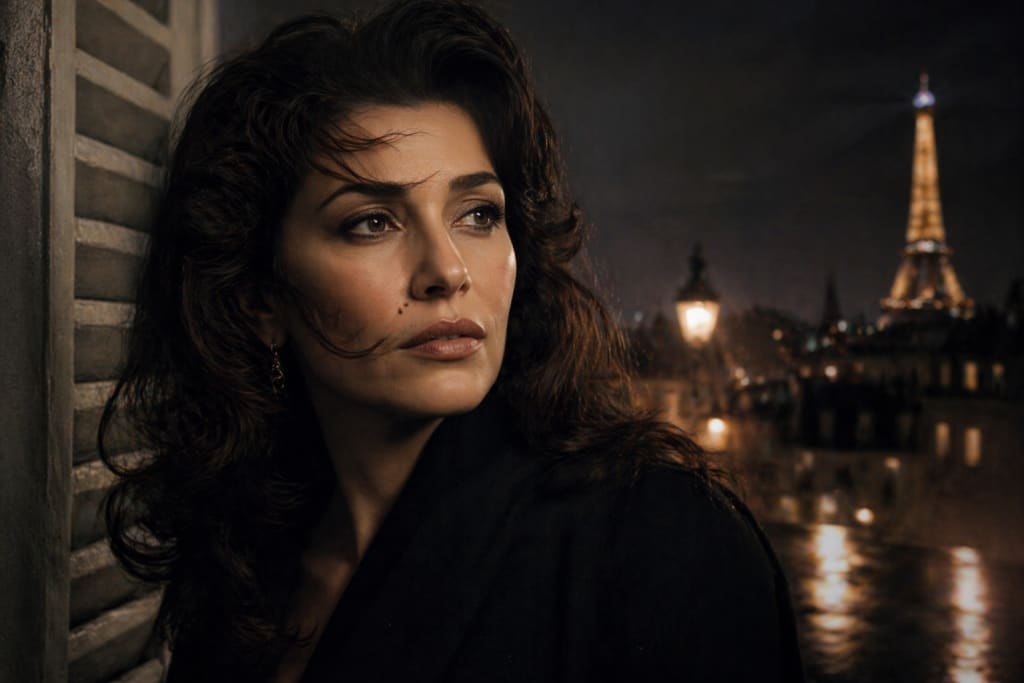
Nadia Farès: Remembering a Fearless Screen Presence Whose Beauty, Strength, and Range Left a Lasting Mark
Some actresses arrive on screen as symbols. Others arrive as forces.
Nadia Farès belonged to the second kind. She had beauty, certainly. The camera understood that immediately. But what made her linger in memory was not prettiness or polish alone. It was the harder quality underneath: control, gravity, alertness, and a kind of emotional steel that made even her most glamorous moments feel grounded. She did not drift across the frame. She claimed it.
Now, with reports confirming her death in Paris on April 17, 2026, at age 57, after being found unconscious in a swimming pool days earlier, that screen presence suddenly feels even more precious. Her daughters confirmed her death, and French authorities had earlier opened an inquiry into the circumstances of the accident. Later reporting said there was no sign of third-party involvement.
Public grief often flattens artists into one famous role. In Farès’s case, many headlines understandably led with The Crimson Rivers, the thriller that helped lock her into international memory. But a real tribute has to do more than name the best-known title. It has to explain why she mattered, what kind of actress she was, and why her beauty always seemed fused to something sharper than image.
Farès mattered because she brought adult force to the screen. She could play mystery without vagueness, sensuality without fragility, and command without stiffness. In an era that often rewards easy branding, she felt harder to reduce. She belonged to that increasingly rare class of performers who made a film feel more serious simply by entering it.

Born in Marrakesh, Morocco, on December 20, 1968, she later built her career in France and moved across French and international productions with unusual ease. Obituaries and filmography summaries published after her death describe her as Moroccan-French, with a Moroccan father and an Armenian mother, and trace a career that stretched from 1990s French cinema into thrillers, television, action films, and later projects that suggested a performer still searching rather than settling.
That restlessness was part of her appeal. Nadia Farès never felt like someone who had accepted a single marketable version of herself. She could carry suspense. She could bring texture to genre work. She could make style feel like character rather than decoration. That is why even viewers who cannot instantly list every credit still remember her face and, more importantly, the feeling she brought with it.
There was also something distinctively European in her glamour. Not fragile. Not overdesigned. Not synthetic. She looked like someone who belonged in cinema’s darker lighting: thrillers, emotionally charged dramas, morally complicated worlds. Her beauty did not soften her. It intensified her.
That quality made The Crimson Rivers such a natural fit. The film remains the title most closely tied to her public legacy, and for good reason. It captured exactly what made her work: she could stand inside pressure, atmosphere, and danger without overacting any of it. She did not need to push to be felt. She had the kind of screen concentration thrillers depend on.
But her career did not stop there. Later work in projects including War, Storm Warning, and television series such as Marseille showed a performer willing to move between markets and tones. That matters in retrospect because it reveals a pattern: Farès was not only a star of one moment or one national cinema. She was a durable presence, useful to filmmakers because she brought intelligence and tension with her.
The later years of her life make the loss even sadder. Reports after her death noted that she had endured major health struggles, including brain surgery and multiple heart operations. They also noted that she had separated from producer Steve Chasman, with whom she had two daughters, and had rebuilt parts of her life after time in Los Angeles. Even more poignant, several reports said she had been preparing a first feature as a writer-director. She was not simply being remembered. She was still trying to create what came next.
That detail changes the emotional register of the tribute. Nadia Farès was not only a figure from an admired earlier chapter of French cinema. She was, until the very end, someone still reaching forward. That makes her death feel less like the close of a completed narrative than the interruption of one.
And maybe that is the right way to remember her: not as a frozen image, but as a woman in motion. Beautiful, yes. Stylish, yes. But also resilient, intelligent, and quietly hard to contain. She brought strength to glamour and weight to elegance. She made the frame feel more alive and a little more dangerous.
That is not a small legacy.
Shorter SEO version with FAQ-style headings
Nadia Farès Tribute: Remembering the Actress, Her Career, Beauty, and Legacy
Nadia Farès has died at 57, leaving behind a career defined by beauty, strength, and a screen presence that gave thrillers and dramas unusual intensity. Best known internationally for The Crimson Rivers, the Moroccan-French actress built a body of work across French cinema, television, and international genre films that proved she was far more than a single role. Reports say she died in Paris on April 17, 2026, after being found unconscious in a swimming pool days earlier. Her daughters confirmed her death. Who was Nadia Farès?
Nadia Farès was a Moroccan-French actress born in Marrakesh on December 20, 1968. She became known for her work in French thrillers, crime stories, television, and international productions. She brought elegance and force to the screen, making her memorable in both leading and supporting roles.
What was Nadia Farès best known for?
She was best known to many viewers for The Crimson Rivers, the tense French thriller that helped establish her broader international recognition. Many reports following her death led with that film when identifying her.
What made Nadia Farès special as an actress?
What set Nadia Farès apart was that she combined glamour with toughness. She could play beauty, tension, intelligence, and danger all at once. She never felt merely decorative on screen. She gave films texture and gravity.
What other work did Nadia Farès do?
Beyond The Crimson Rivers, Farès appeared in projects including War, Storm Warning, and later television work such as Marseille. Her career moved between French and international productions, showing real range.
What was known about Nadia Farès’s later life?
Reports after her death said she had survived major health problems, including brain surgery and multiple heart operations. They also said she had been preparing a first feature as a writer-director, suggesting she was still planning a new creative chapter.
How should Nadia Farès be remembered?
She should be remembered as more than a beautiful actress from one famous film. Nadia Farès brought force, control, and emotional seriousness to the screen. Her legacy is one of style with depth, beauty with strength, and a career that deserves to be revisited with fresh respect.